

Jimmy’s Daughter: An Interview with Kelly Stewart-Harcourt
“Dad signed every single autograph in the pouring rain, and that was really what demonstrated how important that was to him.”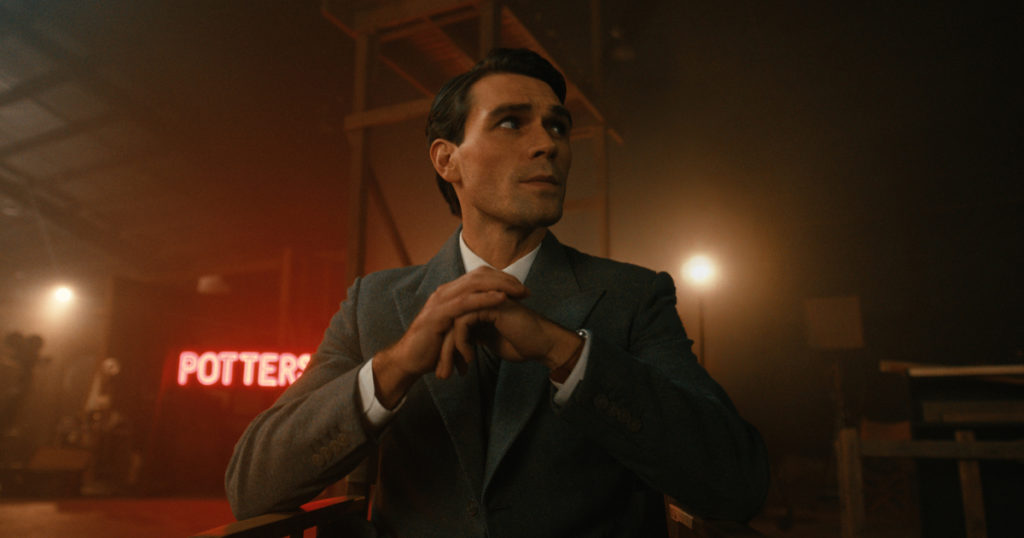
This year marks the 80th anniversary of the beloved film “It’s a Wonderful Life,” starring Jimmy Stewart as George Bailey. Coinciding with the anniversary, the biopic “Jimmy,” which chronicles Stewart’s life and legacy, will be released this November. Stewart was a longtime supporter of The Salvation Army and served as the organization’s National Christmas Chairman during the 1983 Christmas campaign. In that role, he recorded nationwide promotional radio spots and was featured on The Salvation Army Records’ holiday vinyl Long Play (LP), The Gift of Christmas.
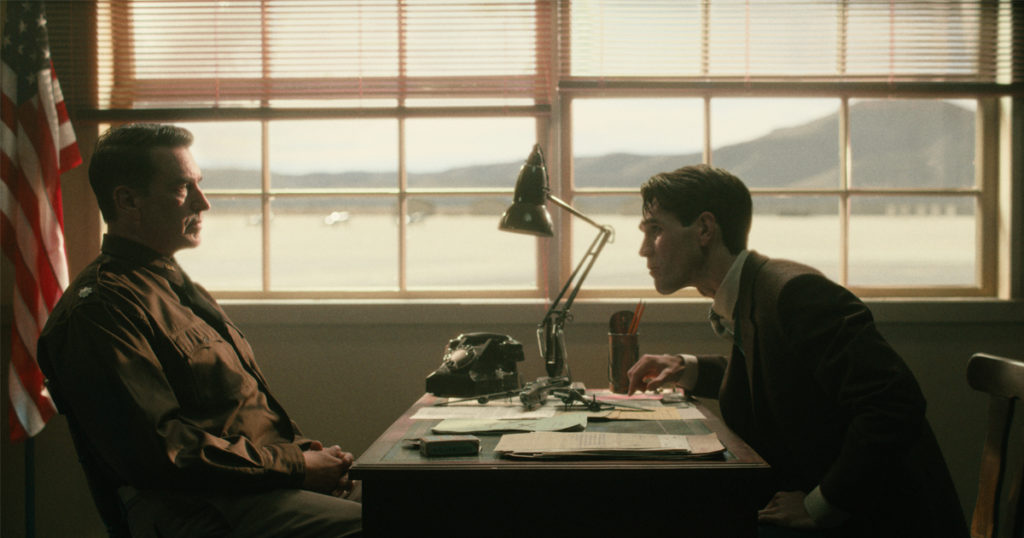
Stewart’s daughter, Kelly Stewart-Harcourt, who is an executive producer of “Jimmy,” wanted to ensure her father’s meaningful connection to The Salvation Army was included in the film as a tribute to his support and commitment to the organization. As part of the film, Jimmy is portrayed dressed as Santa, delivering gifts to children at a Salvation Army orphanage. The scene also prominently features The Salvation Army’s iconic Red Shield, highlighting Stewart’s commitment to giving back to his community and supporting The Salvation Army’s work of serving others. The War Cry interviewed Ms. Stewart-Harcourt about her dad’s legacy and commitment to service.
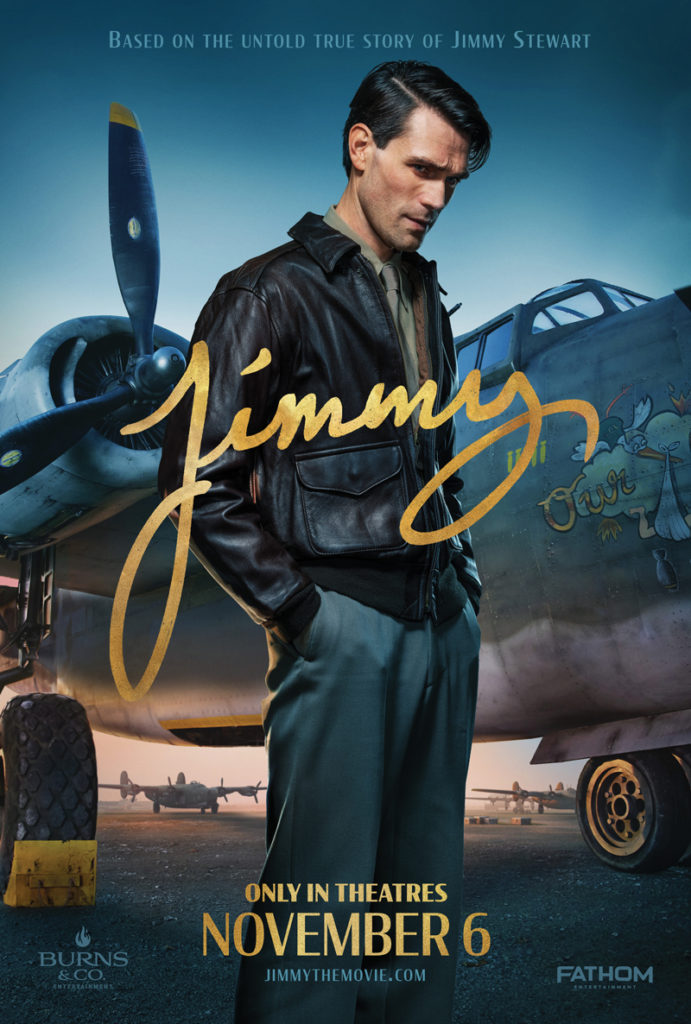
The War Cry: What inspired the creation of this new movie, “Jimmy?” What story does it tell?
Kelly Harcourt: Well, I first heard about the idea of this movie when Sam Juergens sent me a script that he had written. And I’d always thought that a movie about Dad’s life would be really boring because he didn’t do bad stuff. There was nothing salacious. So I read this, and it was not a movie about his whole life. It was a movie about his wartime experiences, about his fight to fight to join the war after Pearl Harbor, and there were studio heads, there were powers that be that did not want him to go do active service, but he was determined. So that’s in the film. It’s also about his time as a bomber pilot when he was based in England. And then he comes back to America after the war, and he doesn’t really know whether he’s an out-of-work pilot or an out-of-work actor or both. He doesn’t know where his life is going to go. And does he even want to be an actor? Is that sort of too superficial after what he’s been through?
And then Frank Capra sent him the script of “It’s A Wonderful Life”. Dad said, “I’ll do it.” That’s what the movie is about. It’s about Dad’s fight to fight, his experience in the war (and it’s not a glorified war), his return and how “It’s A Wonderful Life” gave him his career back. I thought this is a great story because it’s not all of Dad’s life. It’s one part of his life. And I had always thought you could never make a movie about my dad.
The other thing that makes this project special is that Dad always kept his Hollywood life and his military service separate because he didn’t want it glamorized or Hollywoodized. It has his military life. And then I was thinking, “What are we doing here? We’re putting them together in a movie, and that is absolutely mixing his Hollywood life and its military service.” But I thought Dad would approve of this. I really do think that. He would have liked this film. And he would have approved of it because of the message that it sends, and because it’s a true film. It’s him, so that’s help. That’s how the whole thing started.
WC: Your dad was in so many celebrated movies from “Mr. Smith Goes to Washington” to “Vertigo”, “Rear Window”, “The Flight of the Phoenix”, “The Shop Around the Corner”, and you could go on and on from there. These are all celebrated and historic films. But I think it is probably safe to say that “It’s A Wonderful Life” is his most beloved, one watched by many Americans every Christmas season. So I wonder, for you as Jimmy Stewart’s daughter, watching this movie, what does “It’s A Wonderful Life” mean to you?
KH: Well I watched “It’s A Wonderful Life” almost every Christmas growing up. And when I was a kid, and I was watching it, it was a Christmas tradition. And I didn’t really think about Dad being in it and his performance and what it meant. It was just a Christmas tradition. You know, it was like putting up stockings. Then my sister and I became teenagers, and we stopped watching it every Christmas, and then we both we went away to college and I didn’t see it again for years. Then I saw it as an adult. That’s when I really got it. I had never realized before how good Dad is in it. I mean that scene in the bar is the best end of your rope scene in Hollywood, I think. And so I am so awed by my dad’s performance in that film. And I also think it’s an impeccable little film. It has this uplifting message. It’s got everything. It’s got humor. It’s got tears. It’s just one of the all-time greats. It actually isn’t my favorite film my dad was in, but it’s up there.
WC: Well, now you beg the question, what is your favorite film of your dad’s?
KH: I got to go with “The Shop Around the Corner”. Such an incredible film. The way it touches on the undercurrent of the Nazi threat is just brilliant. Having said that, “The Shop Around the Corner” is neck and neck for my favorite with “Rear Window”. I think “Rear Window” is not just dad’s best film with Hitchcock. It’s Hitchcock’s best film.
“It’s A Wonderful Life” was not a big hit when it came out. [Eventually] They started showing it every Christmas on TV. And that’s when it had this resurgence of popularity. It’s had an interesting history in terms of its popularity.
WC: Your dad served in the reserves, eventually earning the rank of Brigadier General. He also was remarkably devoted to his fans, answering every letter he received personally. Speak to the value your dad had for serving one’s community.
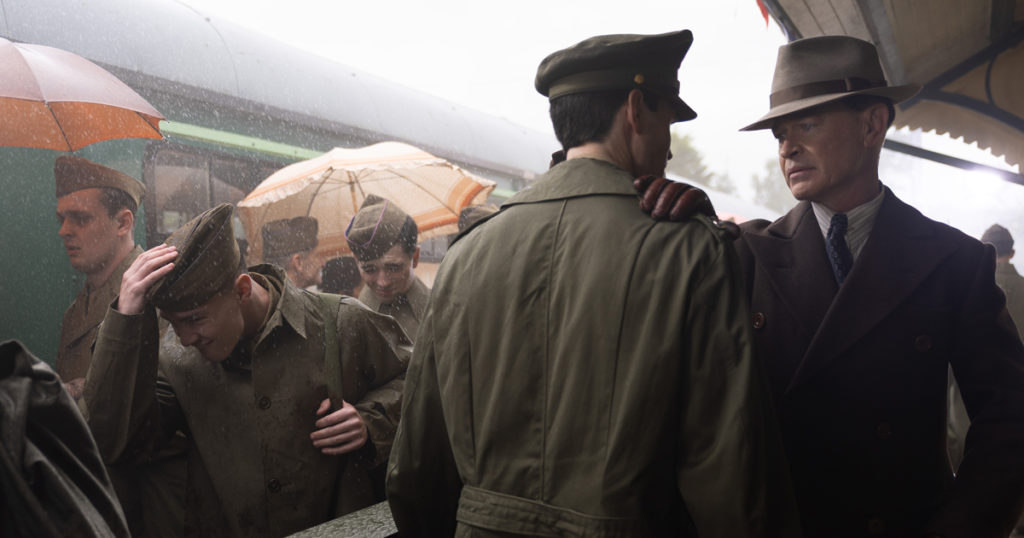
KH: Dad always thought that he was in partnership with his public. He always spoke of the public like that. That’s why he never let them down. He felt it was very important to never let them down because they were partners. He helped them and they made him, which is why he never I never saw him turn down an autograph. Even coming out of doing [the play] “Harvey” on stage in New York, and it was late at night, and it was pouring with rain, and there were fans out there under umbrellas. Dad signed every single autograph in the pouring rain, and that was really what demonstrated how important that was to him. And then he said he was most proud of his military service. His public service was most important to him, and [so were] his family and friends. It was very important to him to have this closeknit number of [friends]. Close friendships were very important to my parents. And they passed that on to their kids.
WC: What do you hope moviegoers who see “Jimmy” will leave the movie theater thinking or feeling?
KH: I hope they leave the theater feeling good. I want them to feel uplifted. And I think people need that right now in this country and need to feel good about something. I need to feel uplifted. From a selfish perspective, there might be a lot of people who go and see the film who never heard of Dad. They’ll know the actor, KJ [Apa]. So, they go to the film to see KJ. And then they will learn who Dad was.
Photos/ © 2026 Jimmy The Movie LLC